News & Insights
How to Evaluate the Long-Term Value of a Steel Building
Learn how to evaluate coastal industrial steel buildings beyond initial price. Explore material specifications, corrosion protection, procurement coordination, and long-term maintenance considerations
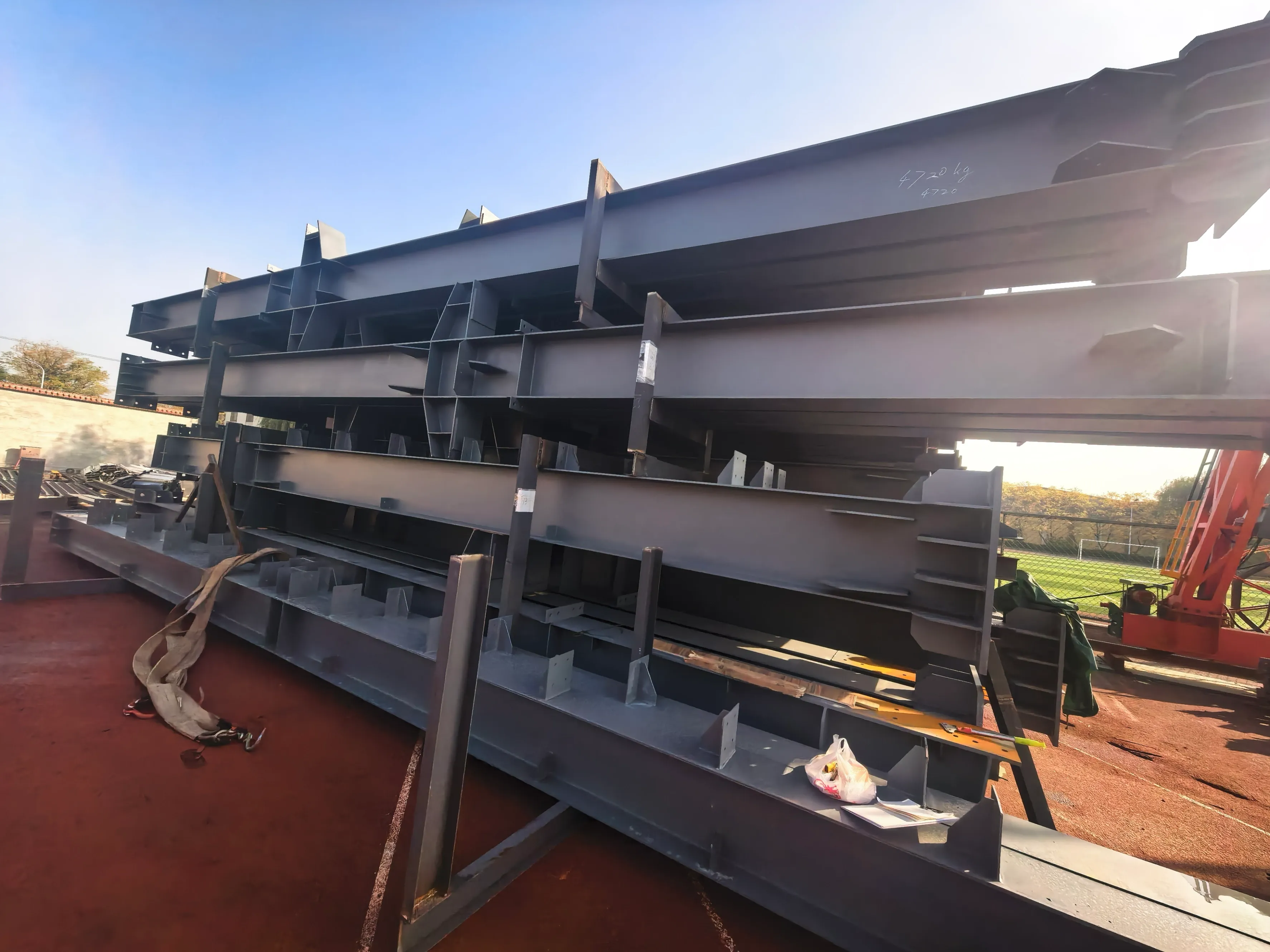
Beyond Steel Price: How to Evaluate the Long-Term Value of a Coastal Industrial Building
When planning an industrial steel building, many buyers focus primarily on the initial construction cost. Steel tonnage, material prices, fabrication costs, and shipping expenses often become the main factors in supplier comparisons.
However, for industrial facilities located in coastal or chemically aggressive environments, the lowest initial quotation does not necessarily represent the most economical solution.
A steel building is a long-term investment. Its actual cost depends not only on the purchase price but also on structural reliability, corrosion protection, material compatibility, installation quality, and future maintenance requirements.
For EPC contractors, developers, and industrial project owners, understanding these factors before placing an order can help avoid expensive problems during construction and operation.
Based on our experience supporting international industrial building projects, HEXUSSTEEL believes that a reliable steel structure solution should be evaluated from the perspective of its entire service life, rather than simply its initial supply price.
1. Why the Cheapest Steel Structure Quotation May Not Be the Best Choice
When comparing quotations from different steel structure suppliers, buyers sometimes find significant price differences even when the building dimensions appear identical.
Why does this happen?
The answer is usually found in the technical specifications behind the quotation.
Two suppliers may quote the same building dimensions but use different:
- Steel grades and material thicknesses.
- Structural member sizes and connection details.
- Corrosion protection systems.
- Roof and wall panel specifications.
- Fasteners and supporting accessories.
- Quality inspection procedures.
- Engineering and supply scopes.
For example, one supplier may offer a conventional primer and finish coat, while another specifies a multi-layer epoxy coating system with a much higher total dry film thickness.
The initial prices will naturally be different.
However, comparing these quotations without understanding the technical differences can lead to incorrect purchasing decisions.
A proper steel structure quotation should be evaluated based on equivalent technical specifications, not simply the total price or price per ton.
Before selecting a supplier, buyers should request a detailed material list, coating specification, structural drawings, and a clear breakdown of the supply scope.
2. Coastal Location Changes the Requirements of an Industrial Building
Environmental conditions are among the most important factors influencing the long-term performance of industrial buildings.
Facilities near the sea may be exposed to salt-laden air, high humidity, strong sunlight, and wind-driven moisture. Chemical industrial facilities may also experience additional corrosive exposure depending on their production processes.
These conditions can affect different parts of a building in different ways.
For example:
- Main steel columns and beams require suitable corrosion protection.
- Roof panels need resistance to weathering and surface deterioration.
- Wall cladding must maintain its protective coating under environmental exposure.
- Bolts, fasteners, and connection details require appropriate material protection.
- Drainage systems should prevent water accumulation and unnecessary moisture exposure.
This means corrosion protection should not be considered an isolated painting process.
It should be part of the overall building material selection and engineering coordination process.
The ISO 12944 series provides an internationally recognized framework for selecting and specifying protective paint systems for steel structures. Environmental corrosivity, coating durability, surface preparation, and inspection requirements should all be considered when developing a project-specific specification.
For buyers, the important question is not simply whether a supplier offers anti-corrosion paint, but whether the complete protection system is suitable for the actual operating environment.
3. A Real Project Example: Industrial Steel Building in Saudi Arabia
A practical example can be found in a chemical industrial project for Gold Coast Company in Saudi Arabia.
The facility was designed for annual production capacities of:
- 20,000 tons of bromine.
- 50,000 tons of calcium bromide.
The broader project involved approximately 30,000 m² of site area, 1,200 tons of structural steel, and 45,000 m² of steel cladding supply.
One reference building measured 67.7m × 23.5m × 9.07m.
Located approximately 5 kilometers from the coastline, the project required particular attention to foundation conditions and corrosion protection.
Rather than treating steel fabrication, painting, and cladding as separate purchasing decisions, the project requirements called for coordinated material specifications across the building system.
Structural Steel: A Multi-Layer Protection System
The specified steel coating system consisted of three layers:
Coating Layer | Material | Main Function |
|---|---|---|
Primer | Epoxy zinc-rich primer | Sacrificial corrosion protection |
Intermediate Coat | Epoxy micaceous iron oxide | Additional protective barrier |
Topcoat | Polyester topcoat | Surface and weather protection |
The zinc content of the specified primer exceeded 70%, and the total specified dry film thickness of the steel coating system was more than 240 μm.
Each layer served a different purpose. The primer provided zinc-based protection, the intermediate coat strengthened the barrier system, and the topcoat provided the final protective finish.
This specification demonstrates why buyers should examine the complete coating system rather than comparing primer brands or paint prices alone.
Steel Cladding: Protecting the Building Envelope
The project also specified fluorocarbon-coated steel sheets for the roofing and wall cladding systems.
The specified coating thickness was:
- Top coating: 25 μm.
- Back coating: 10 μm.
The coating specification was intended to improve resistance to UV exposure, weathering, and corrosion, with a target service performance of more than 20 years under the specified conditions.
For industrial building owners, this is an important consideration because replacing roof or wall cladding can involve much more than material costs. It may also require access equipment, labor, production interruptions, and additional project management.
The lesson is straightforward: selecting suitable cladding materials at the beginning can help reduce potential maintenance and replacement risks later.
4. Look Beyond the Main Steel Frame: Evaluate the Complete Building System
Another common mistake in industrial building procurement is focusing too heavily on the primary steel structure.
A steel building is not simply a collection of columns and beams.
Its performance depends on the coordination of several interconnected systems:
Primary Structural System
Columns, beams, bracing, and connection plates provide the main load-bearing framework.
Secondary Structural System
C and Z purlins, girts, and supporting members transfer loads from the building envelope to the primary structure.
Roofing and Wall Systems
Corrugated steel sheets, sandwich panels, insulation materials, flashings, and drainage components protect the interior environment.
Hardware and Accessories
Bolts, fasteners, brackets, gutters, and other accessories contribute to structural connections and building performance.
When these materials are sourced independently without sufficient coordination, inconsistencies in specifications, dimensions, coating requirements, and delivery schedules may create problems during installation.
An integrated procurement approach helps align the different components before manufacturing and shipment.
This is particularly valuable for overseas EPC contractors and project owners who need to coordinate multiple suppliers across different product categories.
5. Five Technical Checks Before Purchasing a Steel Building
Before approving a steel structure supplier, we recommend reviewing five important areas.
1. Structural Specifications
Check the steel grade, member sizes, connection details, structural calculations, and applicable design standards.
2. Foundation and Geological Conditions
Confirm that the foundation design is based on actual geological investigation, soil bearing conditions, groundwater information, and expected structural loads.
3. Corrosion Protection
Request detailed coating specifications, including surface preparation, primer type, zinc content where applicable, intermediate and topcoat materials, and specified dry film thickness.
4. Roofing and Wall Materials
Compare coating types, coating thickness, substrate specifications, panel dimensions, fastening systems, and accessory materials.
5. Quality Control and Delivery
Clarify material inspection, fabrication tolerances, coating inspection, packing methods, export documentation, and delivery arrangements.
These checks provide a more reliable basis for comparing suppliers and identifying potential risks before production begins.
6. Why Procurement Coordination Matters in International Steel Projects
For international construction projects, technical quality is only one part of successful delivery.
Procurement teams must also manage manufacturing capacity, supplier communication, production schedules, inspection arrangements, packaging, and international transportation.
When structural steel, roofing materials, cladding, and accessories come from different manufacturers, coordinating these resources can become a major management challenge.
This is where an integrated supply partner can create additional value.
HEXUSSTEEL combines steel structure manufacturing resources with a wider construction material supply network to support international projects.
Our services focus on:
- Steel structure manufacturing and supply.
- Roofing and wall cladding systems.
- Sandwich panels and supporting construction materials.
- Supplier coordination and material sourcing.
- Quality management and inspection coordination.
- Export packaging and international delivery support.
Instead of managing every product category independently, customers can coordinate multiple procurement requirements through one project-oriented partner.
Our objective is to help contractors, developers, and EPC companies simplify purchasing while maintaining visibility over technical specifications, quality requirements, and delivery schedules.
7. Make Your Next Steel Building Investment More Reliable
Choosing a steel structure supplier should involve more than comparing quotations.
A successful industrial building project requires the right balance between structural performance, environmental protection, material quality, procurement efficiency, and long-term operating costs.
The Saudi Arabian chemical industrial project demonstrates how these considerations influence real construction requirements.
For coastal warehouses, chemical plants, manufacturing facilities, and other industrial buildings, early coordination of structural design, corrosion protection, and building materials can help reduce unnecessary risks throughout the project.
At HEXUSSTEEL, we support international construction projects through manufacturing resources, integrated material supply, quality management, and coordinated delivery.
Planning an industrial steel building project?
Send us your project drawings, building dimensions, location, environmental conditions, and material specifications.
Our team can help review your requirements and coordinate a suitable steel structure and building material supply solution.
Contact HEXUSSTEEL to discuss your next project.