Sep 12, 2026News & Insights
How to Choose One Reliable Steel Structure Supplier from China
How to Choose One Reliable Steel Structure Supplier from China.
How to Choose One Reliable Steel Structure Supplier from China
Choosing the right steel structure supplier from China is an important decision for any international construction project. China has a large number of steel structure manufacturers, trading companies and building material suppliers, but not every supplier has the engineering capability, production capacity, quality control system or international project experience required for a successful project.
For an overseas buyer, the lowest quotation is rarely enough to determine whether a supplier is reliable. A steel structure building is a complete engineering system. The supplier may be responsible for structural design, steel fabrication, welding, surface treatment, roof and wall systems, accessories, packing, shipping and technical support. A mistake at any stage can affect the project cost and construction schedule.
This guide explains the key factors international buyers should evaluate before selecting a Chinese steel structure supplier, from factory verification and engineering capability to quality control, quotation comparison, production and delivery.
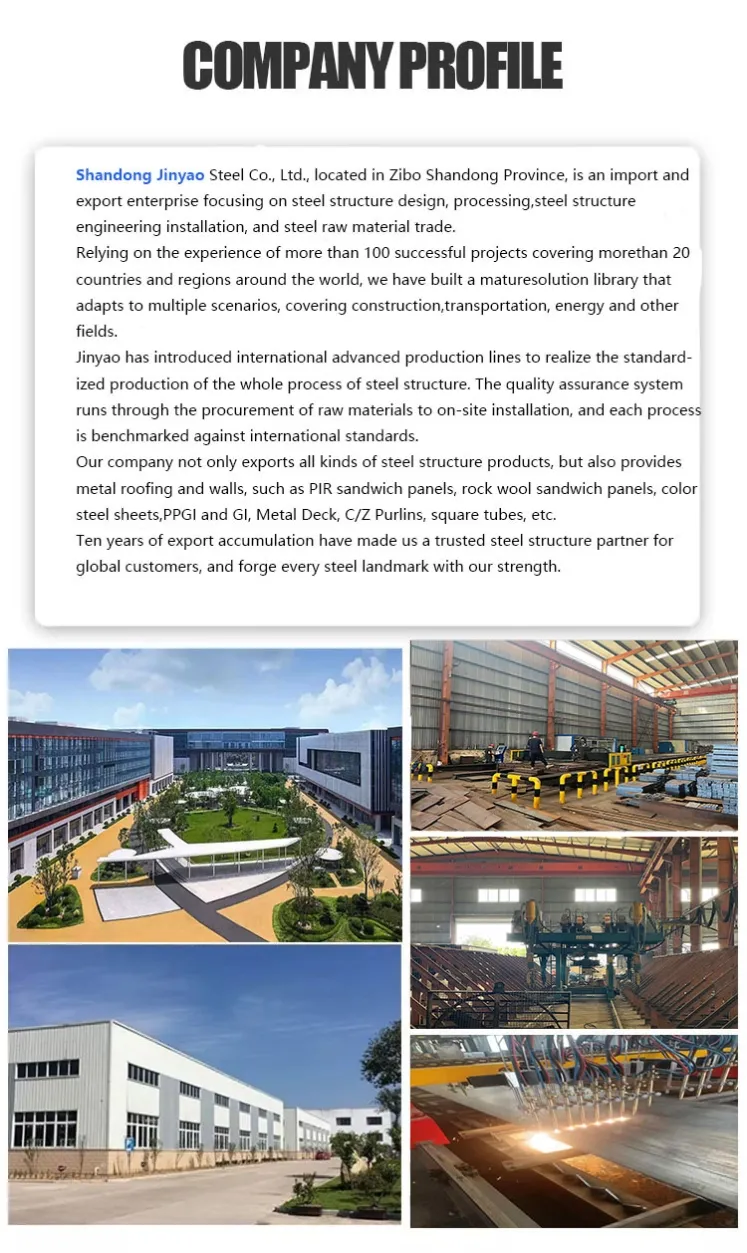
1.Start by Checking Whether the Supplier Is a Real Manufacturer
The first question is simple:
Is the company actually manufacturing steel structures, or is it only trading products from other factories?
A professional website alone cannot answer this question.
Before placing an order, ask the supplier for basic manufacturing information, including:
Factory location
Company registration information
Production facilities
Manufacturing equipment
Factory photos and videos
Production capacity
Engineering Team
Quality control team
Previous project references
Possibility of a factory visit
A genuine steel structure factory in China should be able to explain its manufacturing process clearly.
You should also ask which parts of the project are produced internally and which parts are outsourced. Outsourcing is not necessarily a problem, but you should understand the supply chain before signing a contract.
For large projects, factory verification becomes even more important because the supplier's actual production capability can directly affect your delivery schedule.
2.Evaluate Engineering Capability Before Comparing Prices
One of the most common mistakes buyers make is requesting quotations before confirming whether the supplier can properly understand the project.
Steel structures are not standard products like furniture or consumer goods. The structural system needs to respond to project-specific conditions.
Building dimensions
Span
Eave height
Roof slope
Wind speed
Snow load
Seismic requirements
Building use
Soil and foundation information
Corrosion environment
Roof system
Wall system
Door and opening requirements
Crane requirements
Local building regulations
A capable supplier should also be able to provide engineering support and shop drawings according to the agreed project requirements.
The key question is not simply:
“Can you manufacture steel?”
The better question is:
“Can you turn my project requirements into a manufacturable and economical steel building system?”
This difference is extremely important when selecting a supplier.
3.Look for Experience with Projects Similar to Yours
Years of business experience are useful, but similar project experience is even more valuable.
For example, if you are planning an industrial warehouse, you should look for a supplier that has completed warehouses or industrial buildings rather than relying only on experience with small steel structures.
Ask for project examples involving:
Steel structure warehouses
Industrial buildings
Manufacturing plants
Workshops
Commercial steel buildings
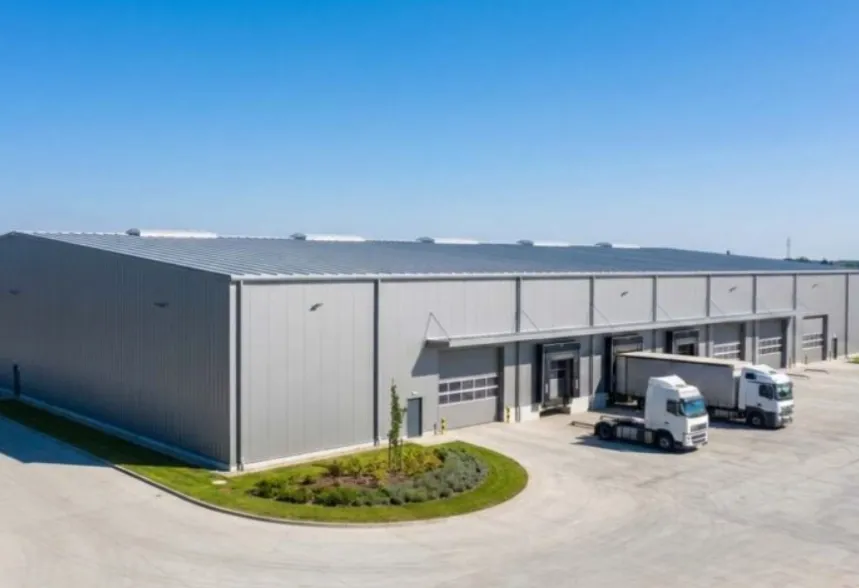
Logistics facilities
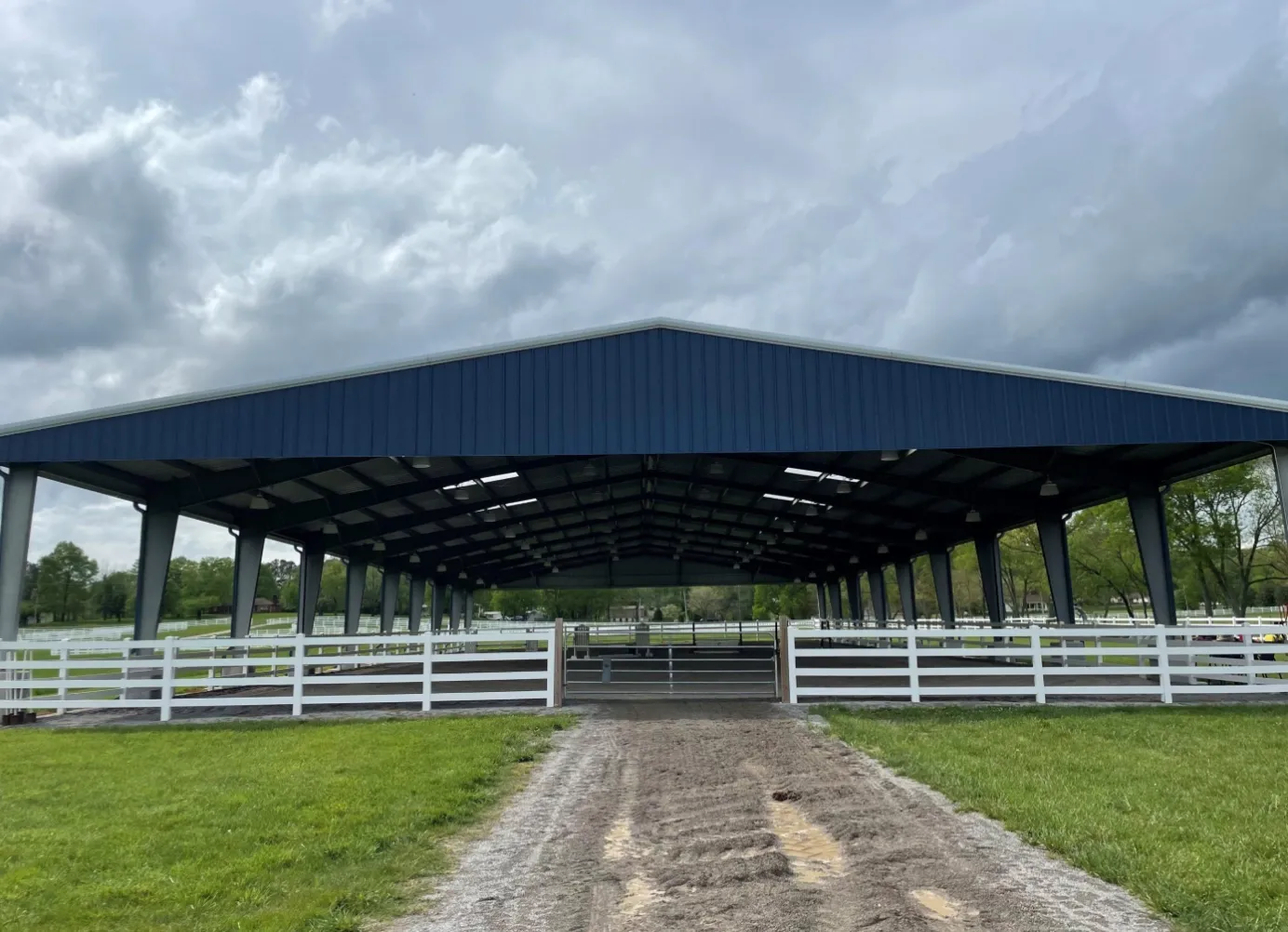
Agricultural buildings
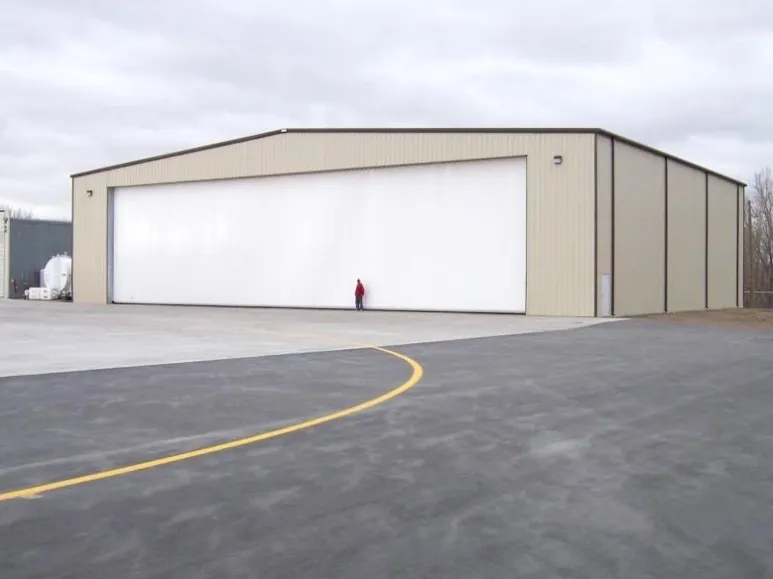
Hangars
Storage buildings
Customized steel building projects
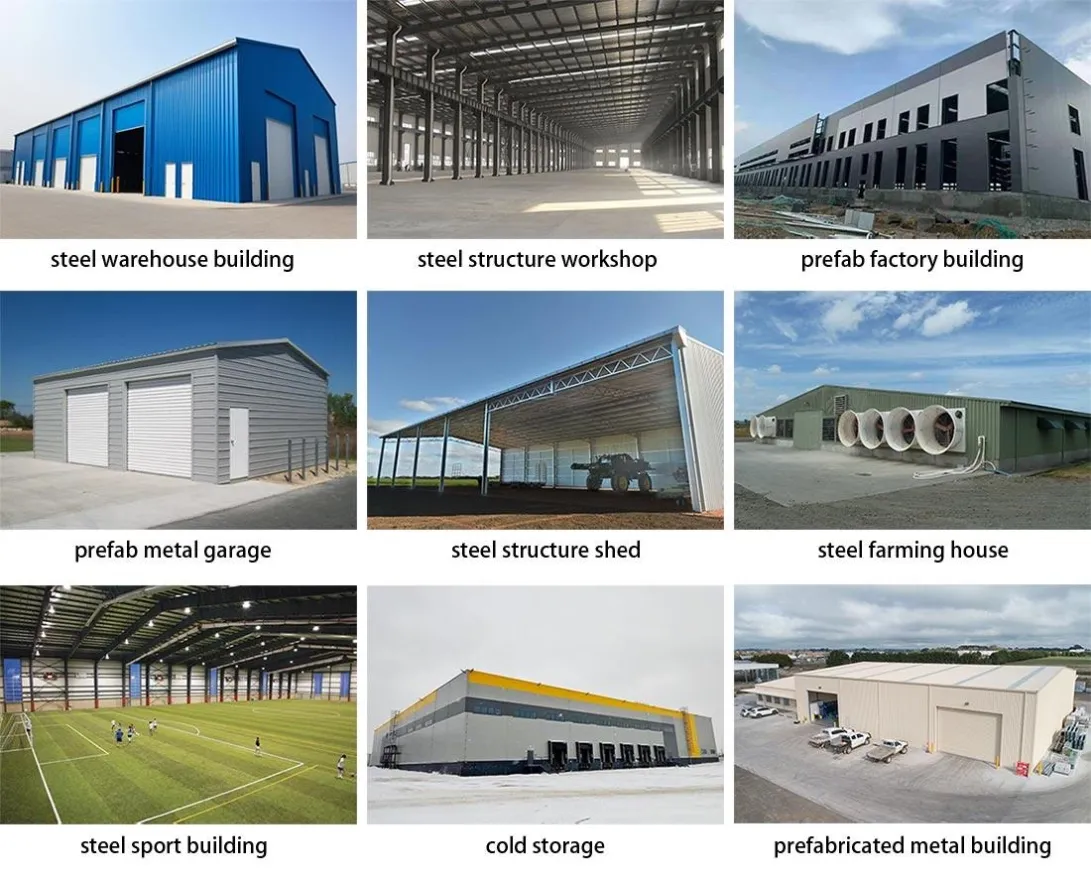
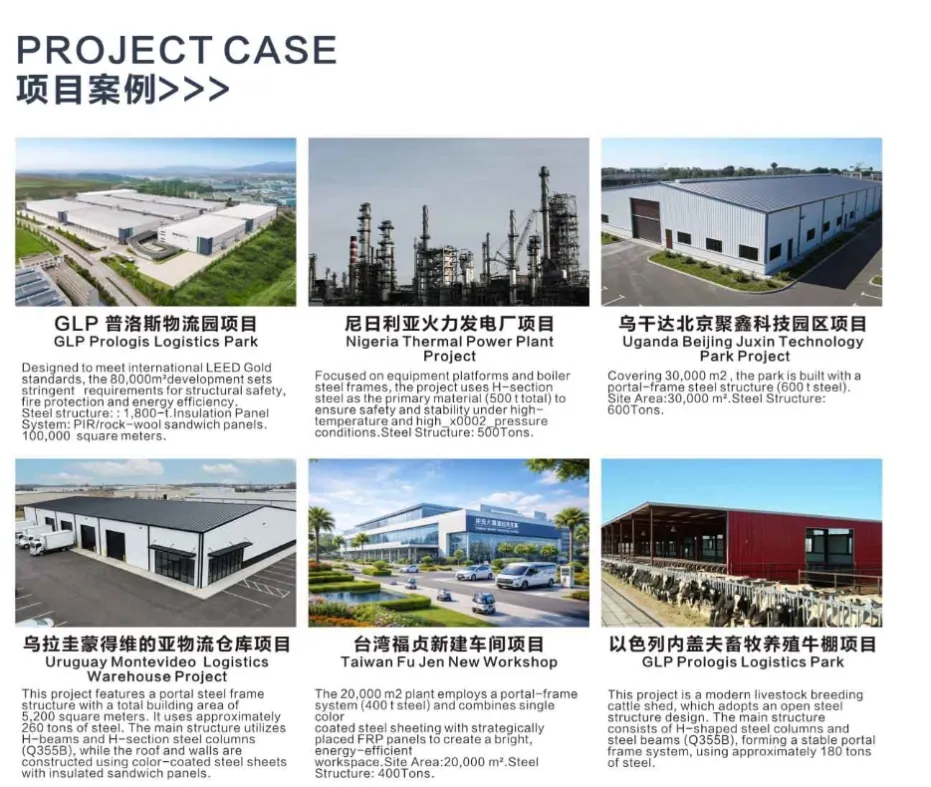
When reviewing a supplier's project portfolio, review attractive photographs.
To think about :
Where was the project located?
What was the building size?
What was the building application?
What was the supplier's scope of work?
Did the supplier provide engineering and fabrication?
Was the project delivered internationally?
A reliable supplier should be able to explain the project rather than simply display photographs.
Our website www.steelapro.com , for example, presents international project experience across markets including Nigeria, Uganda, Tanzania, Zimbabwe, Mozambique, Canada and Hungary, as well as project examples involving logistics, industrial and agricultural applications.
4.Verify Certifications, Standards and Quality Requirements
Certifications are useful, but buyers should understand what they actually prove.
Depending on the destination market and project requirements, you may need to evaluate:
ISO certification
CE certification
Material certificates
Welding qualifications
Inspection records
Coating specifications
Third-party inspection
Project-specific compliance documents
However, do not select a supplier simply because its website displays several certificates.
A certificate is only one part of supplier evaluation.
You should also ask:
How are incoming steel materials inspected?
How is steel grade verified?
How is welding quality controlled?
How are dimensions checked?
How is coating thickness measured?
How are finished components identified?
What inspection records will be provided?
The combination of certification and actual production control is much more meaningful than a certificate alone.
5.Understand the Supplier's Manufacturing Process
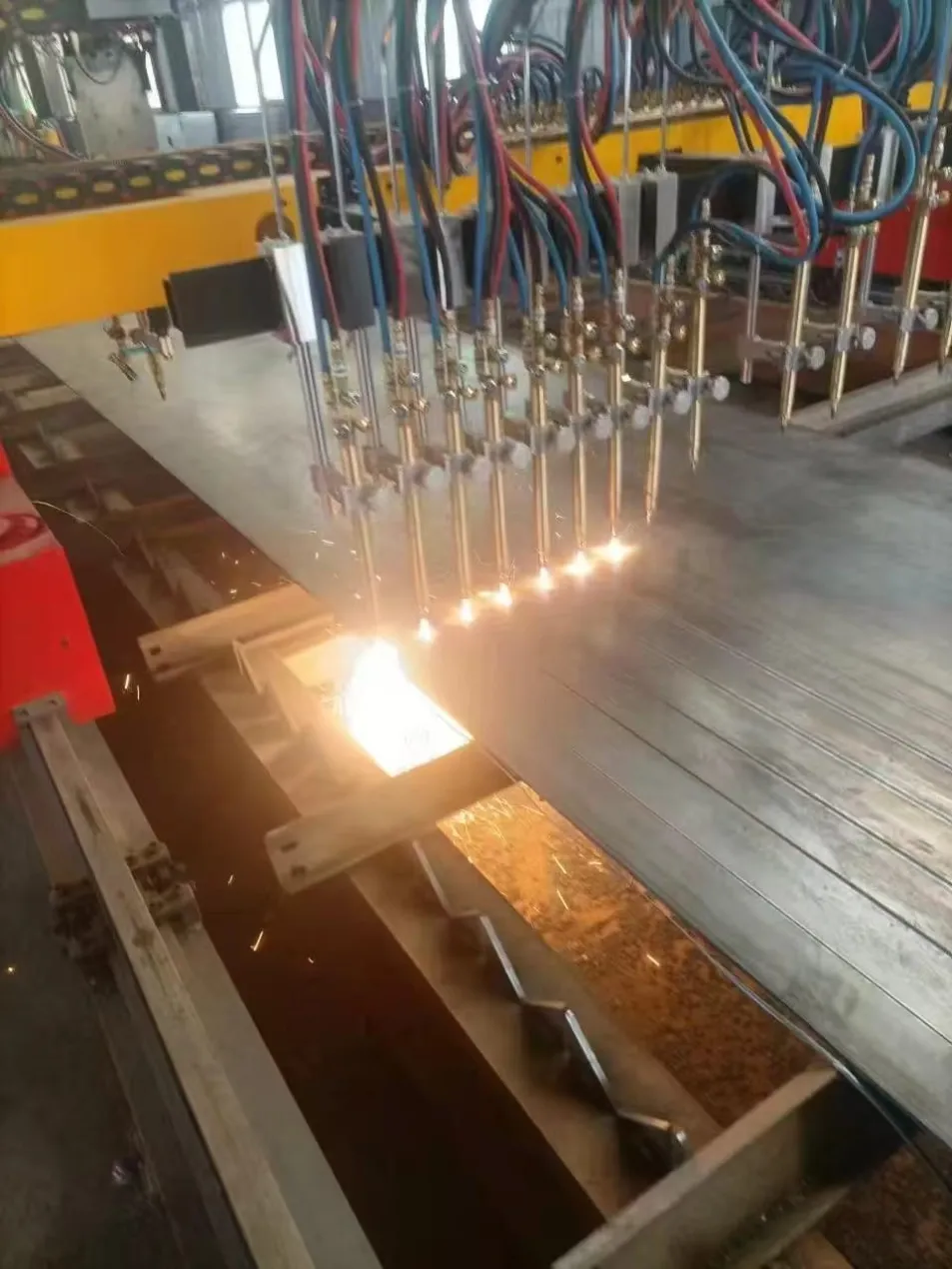
A typical process may include:
Raw Material Inspection → Cutting → Drilling → Assembly → Welding → Straightening → Surface Treatment → Painting → Inspection → Packing → Loading
Each stage can influence the final quality of the building.
For example, inaccurate cutting or drilling can create installation difficulties at the construction site. Poor welding can affect structural performance. Inadequate surface preparation can shorten coating life.
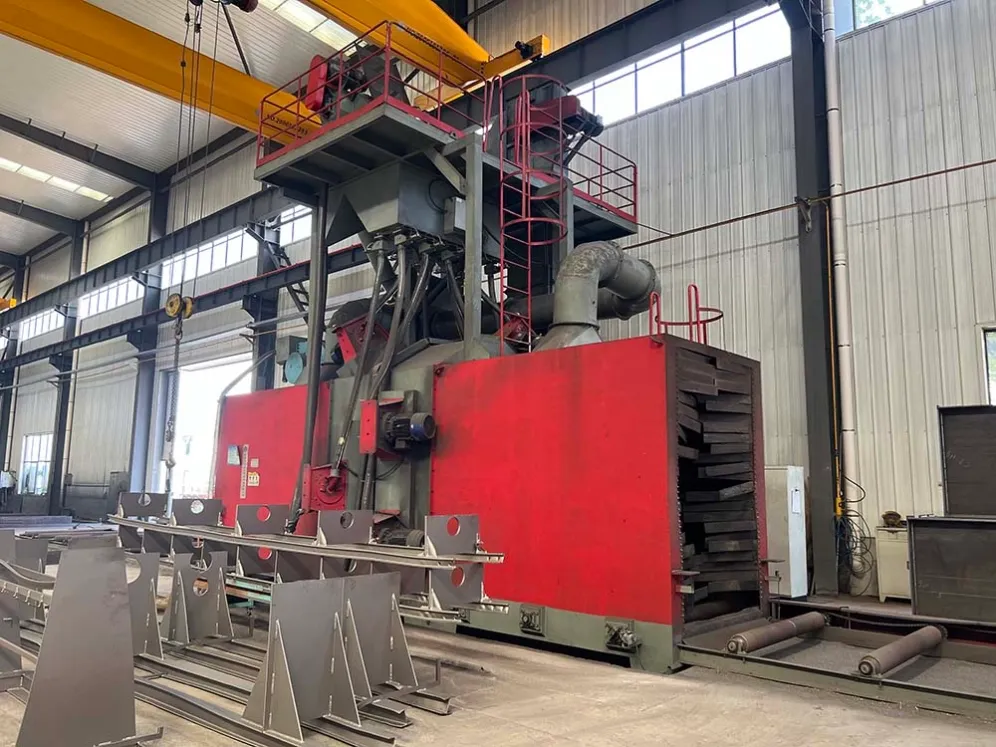
When evaluating a supplier, ask what equipment is used for key operations.
Depending on the project, this may include:
CNC cutting equipment
Automatic or semi-automatic welding equipment
Drilling machines
Assembly equipment
Shot blasting equipment
Painting facilities
Lifting and handling equipment
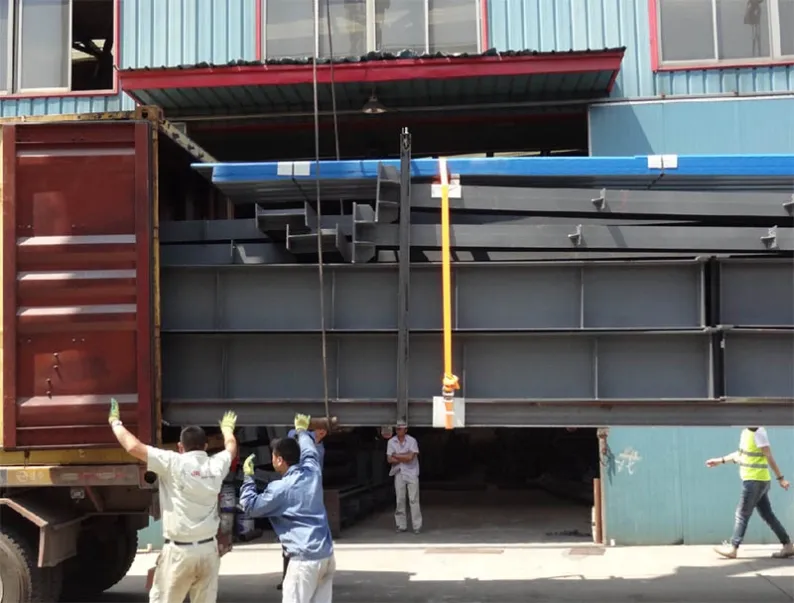
Container loading equipment
You do not necessarily need the largest factory.
You need a factory with the right capabilities for your project.
6.Check Quality Control from Raw Material to Finished Product
Quality control should not start when the finished steel frame is ready for shipment.
It should begin with the raw material.
A professional supplier should have a quality control process covering several stages.
Raw Material Inspection
The supplier should verify:
Steel grade
Thickness
Dimensions
Material certificates
Mechanical properties when required
Fabrication Inspection
The manufacturing process should control:
Cutting accuracy
Hole location
Component dimensions
Welding quality
Assembly accuracy
Deformation
Surface Treatment Inspection
For painted steel structures, the coating system may include:
Surface preparation
Primer
Intermediate coating
Finish coating
Coating thickness inspection
For galvanized components, the supplier should follow the agreed galvanizing requirements.
Final Inspection
Before shipment, the supplier should check:
Quantity
Dimensions
Component identification
Welding
Coating
Packing
Loading arrangement
A strong quality control process reduces the possibility of problems appearing after the containers arrive at the destination country.
7.Never Compare Steel Structure Quotations by Price Alone
This is one of the most important rules when buying from China.
Two quotations may look similar on the first page but contain very different scopes.
For example, one supplier may include:
Structural steel
Engineering
Roof panels
Wall panels
Bolts
Accessories
Painting
Packing
Loading containers
while another quotation may only include the primary steel frame.
Therefore, you should compare quotations at the same condition.
Item | Supplier A | Supplier B |
Structural steel | Included? | Included? |
Steel grade | Specified? | Specified? |
Steel weight | Clearly stated? | Clearly stated? |
Engineering | Included? | Extra? |
Roof system | Included? | Extra? |
Wall system | Included? | Extra? |
Doors | Included? | Excluded? |
Windows | Included? | Excluded? |
Bolts & accessories | Included? | Extra? |
Painting | Specified? | Unclear? |
Packing | Included? | Extra? |
Inspection | Included? | Extra? |
Shipping | Included? | Extra? |
The lowest unit price does not necessarily mean the lowest total project cost.
A better approach is to compare:
Total Scope + Engineering + Manufacturing + Quality + Logistics + Installation Requirements
rather than simply comparing the price per ton.
8.Evaluate Production Capacity and Lead Time
A supplier may offer a competitive price but still be unsuitable if it cannot manufacture your project within the required schedule.
Ask for a realistic production plan.
A typical schedule should consider:
Engineering
Drawing Confirmation
Material Procurement
Fabrication
Quality Inspection
Packing
Container Loading
Shipping
A professional supplier should be able to explain the approximate duration of each major stage.
You should also ask whether the supplier has existing orders that could affect your production schedule.
Do not accept an unrealistically short delivery promise without asking how the supplier intends to achieve it.
Why Work with an Experienced Steel Structure Manufacturer in China?
For international buyers, working directly with an experienced manufacturer can simplify the project by bringing engineering, fabrication, quality control and logistics into one coordinated process.
Steelapro currently presents itself as a China-based steel structure manufacturer providing complete solutions for commercial, industrial, warehouse and workshop projects. Its stated capabilities cover engineering, manufacturing, quality control and global supply chain services, with project experience in multiple international markets.
Its website also positions the company around an end-to-end process from design and fabrication to delivery and installation support.
This type of integrated approach can be particularly useful when the project involves more than the main steel frame.
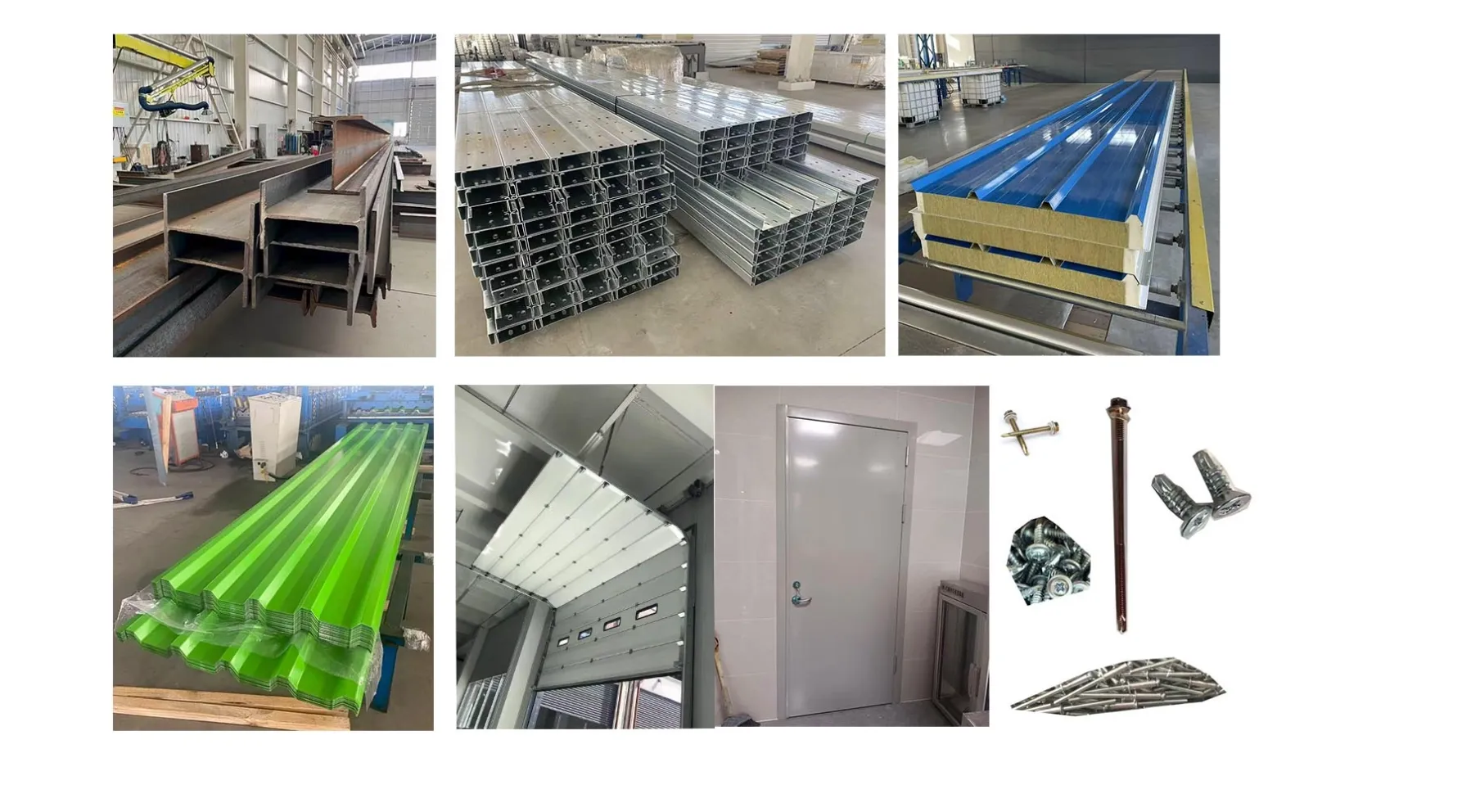
A complete steel building may include:
Primary steel frames
Secondary steel members
Roof systems(sandwich panels or steel sheet)
Wall systems(sandwich panels or steel sheet)
Doors
Windows
Fasteners
Flashings
Accessories
Packing and shipping support
Instead of coordinating multiple suppliers, an integrated steel building manufacturer can help coordinate the different parts of the building system.
Choosing one reliable steel structure supplier from China should be treated as a supplier qualification process rather than a simple price comparison.
Start with the factory.
Then evaluate engineering capability.
After that, verify project experience, quality control, manufacturing capacity, documentation, delivery capability and communication.
Finally, compare the complete scope and total project cost.
The right supplier should not only give you a competitive quotation. The supplier should be able to understand your project, manufacture according to agreed specifications, control quality throughout production and support the international delivery process.
If you are planning a warehouse, factory, workshop, commercial building or another steel structure project, the best time to evaluate suppliers is before you finalize your specifications.
Send your project size, location, drawings or basic requirements to an experienced steel structure manufacturer and ask for a technical evaluation before comparing quotations.
A reliable supplier should be able to help you understand what your project actually requires—not simply tell you what you want to hear.